Editor's Note
2026.11
Taiwan Financial Lives Survey: economic strength is reaching households
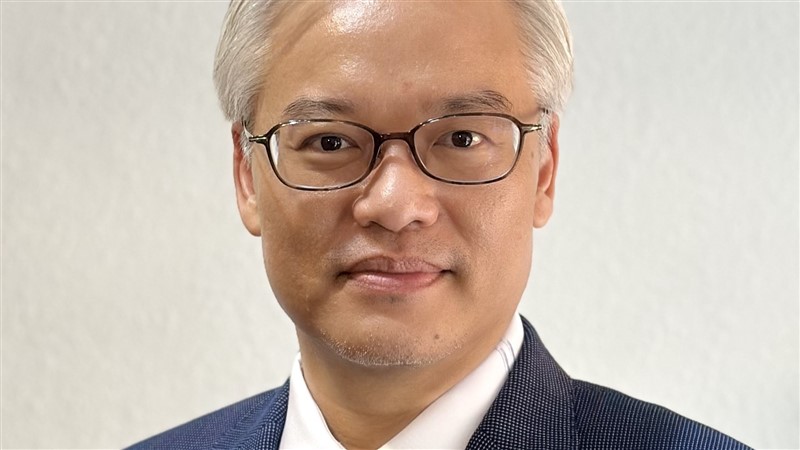
By Kao Yi-Cheng


Since 2020, TABF has conducted a nationwide survey of financial life every two years. Strong global demand for AI applications has fueled Taiwan’s exports, driving rapid growth in the economy and stock market and drawing more young people into equity investing. Alongside the quantitative survey, we therefore conducted a qualitative study of university students’ investment behavior. The study identified eight investor types: value preservation, selective following, governance, knowledge intensive, bull market speed, thrill seeking, close relationship resources, and risk ethics. The central finding is that young people operate in diverse environments. The circumstances shaping these investor types, and their approaches to managing money, vary considerably. They should not be generalized or reduced to generational labels. The 4th questionnaire released this year focused on capacity to bear financial risk. Among respondents, 64.1% expressed confidence in using financial products and services. Confidence increased with educational attainment, and was higher among men than women. Half of respondents (51.6%) said their deposits or highly liquid assets could cover at least six months of basic living expenses, while 69.1% reported having no loans or other debt. Among borrowers, those aged 40–49 were the most likely to feel repayment pressure. A higher proportion of men than women reported such pressure, at 19.5% and 13.0%, respectively. In addition, 86.5% said their household income covered everyday expenses, a substantially higher share than in previous surveys. This suggests that recent economic growth has had a considerable impact on household incomes. When asked how they would obtain funds in an emergency, respondents could select multiple options. The five most common were family and friends (35.3%), personal savings (35.1%), bank loans (21.1%), selling stocks or funds (14.5%), and loans against insurance policies (11.0%). These responses indicate that people have a diverse range of emergency funding sources. These findings differ markedly from those of the previous three surveys, indicating that Taiwan’s strong economic performance in recent years is increasingly being felt by the public. International comparisons show that Taiwan’s national income is approaching, or even exceeding, levels in advanced economies. Ensuring that everyone shares in the benefits of growth, however, requires looking beyond averages and addressing disparities across industries and regions. Financial markets can play an active role in this effort. The survey also identifies considerable scope for improvement and areas for policy action, including investment risk management among younger generations and more balanced regional development. Thus, this issue’s cover story begins with Taiwan’s recent macroeconomic performance, examines the quantitative and qualitative findings, and considers the challenges and potential solutions for financial education through the lens of financial inclusion. The issue also features a detailed special report on the Ching-ing Hou Memorial Forum, held on October 12 and jointly organized by TABF, the Department of Money and Banking at National Chengchi University, and the department’s alumni association. Under the theme of carrying forward her legacy and embracing innovation, participants and speakers paid tribute to TABF’s former chair, exploring new opportunities for banks as they navigate the challenges of AI, sustainability, and internationalization. These discussions underscore the importance of financial education and professional development in helping more people share in Taiwan’s economic progress.