Banker's Digest
2026.10
Financial well-being: a measure of service quality for senior customers
Han Cheng and Ching-Yi Huang


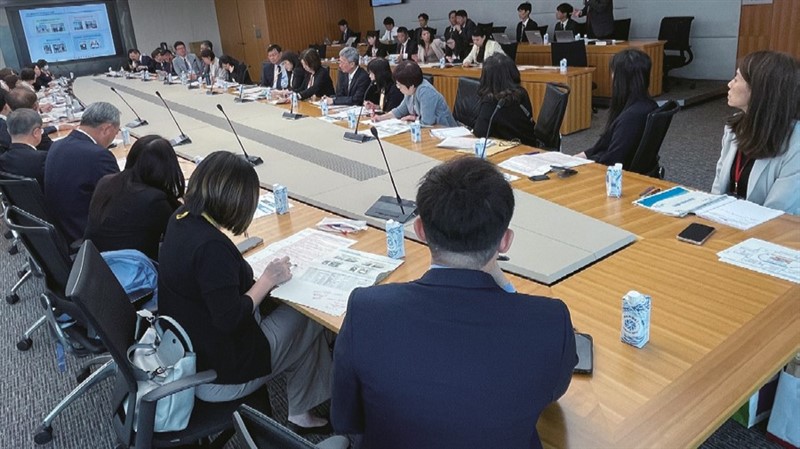
Financial institutions can assess their wealth management performance through operating indicators such as assets under management, product sales, fee income, and new client numbers. Yet beyond these simple measures, another question deserves attention as Taiwan becomes a super-aged society: do financial services leave clients better prepared for the future and more secure in their lives? Investment returns are only part of the picture for retirees; what matters more is whether their assets can sustain them over the long term, cover medical and long-term care costs, and preserve their choices as circumstances change. During a 2026 study visit to Japan on financial services for older adults by the Bankers Association of the R.O.C., Sumitomo Mitsui Trust Bank offered a perspective grounded in financial well-being: financial services should help clients live the lives they want to lead. Well-being has become an important concept in financial education worldwide. In 2015, the US Consumer Financial Protection Bureau (CFPB) introduced an influential framework centered on financial security and freedom of choice, containing four elements: control over everyday finances, ability to absorb financial shocks, progress toward financial goals, and the financial freedom to make choices consistent with one’s personal values. Japan has also incorporated financial well-being into its public education. Established in 2024, the Japan Financial Literacy and Education Corporation (J-FLEC) helps people manage their finances, make informed choices, and achieve greater happiness and security. Meanwhile, Japan’s Financial Services Agency promotes fiduciary business conduct, strengthening financial services governance around clients’ best interests. The concerns of older clients often extend beyond just investment gains and losses. Can they pay for care over many years? Will their assets continue to be managed according to their wishes if their cognitive abilities decline? Will their families face complex administrative and decision-making burdens? A good investment fund alone cannot resolve these issues. Instead, cash flow planning, financial arrangements, and family communications are required. Conversations should therefore move beyond products to the kind of life clients want to live, and to which priorities matter most in individual circumstances. It is imperative to understand the person before discussing their money. Education plays a strategic role when putting financial well-being into practice. Sumitomo Mitsui Trust Bank has shared information on finance and later life through longstanding seminars, videos, and education in schools and workplaces, aiming to build public understanding and client trust over time, rather than to generate immediate transactions. This approach aligns with Taiwan’s push for finance for all ages. Financial education can build literacy among young people, address family responsibilities and retirement planning in midlife, and support financial security in retirement. Early preparations also give the next generation greater scope to provide support. Public education strengthens the financial resilience of individuals and families. It also aligns with the United Nations Sustainable Development Goals (SDGs), including quality education, financial inclusion, and reduced inequality. It is an investment in sustainability, with lasting social benefits. Taiwan already has a foundation in specialist training for senior financial services and policies supporting finance for all ages. TABF can continue serving as a platform for professional development and education, extending its work into workplace retirement education, financial health checks for every life stage, and online courses for the public, helping turn knowledge into action. Financial health checks can help people review income and expenses, emergency reserves, retirement income and long-term financial goals. Educational success should be measured not only by the number of events held, but also by subsequent actions taken by participants. Financial well-being need not replace existing performance indicators. Institutions can add a client outcomes dashboard covering retirement planning progress, financial buffers, understanding of financial products, and fraud prevention. Proposed here as Key Happiness Indicators (KHIs), these measures could help institutions assess the tangible changes their services bring to clients’ lives, alongside just business performance. By asking whether their clients are better prepared for the future than they were a year ago, organizations can gradually embed financial well-being into their culture. Financial well-being offers Taiwan’s financial industry a new benchmark for building lasting trust, incorporating clients’ peace of mind into the measurement of value. Japan’s experience shows that financial education is a long-term undertaking. The benefits may not appear in a single year’s earnings, but such education steadily builds client understanding and trust. Financial well-being defines the goals of security and freedom of choice; J-FLEC strengthens the public’s financial agency through education; and Taiwan’s approach to finance for all ages provides a policy direction spanning the full life cycle. KHIs can become a shared way to define value in an age of longevity as people better understand their finances, prepare earlier, and make choices suited to their needs, and institutions take greater interest in the reassurance provided by their services. Ultimately, the legacy of wealth management may extend beyond investment performance over a given period to lasting peace of mind, built over years through education, understanding and trust. Han Cheng is Executive Deputy Editor-in-Chief of The Taiwan Banker. Ching-Yi Huang is an Assistant Research Fellow at TABF’s Financial Research Institute.